
The Future of WordPress: AI Trends and What Business Owners Need to Know for 2026
Let’s simplify things. Here’s what truly matters, especially regarding Artificial Intelligence (AI), and how you can keep your business ahead without getting bogged down.
WordPress has been supporting the web for years now, and as 2026, its importance continues to grow. If you’re not immersed in technology, WordPress can seem overwhelming, there’s always a new feature, plugin, or buzzword emerging.
Why WordPress Remains on Top (43% Market Share)
WordPress powers about 43% of all websites out there. That includes everything from small personal blogs to large Fortune 500 stores. With so many users, there’s a vast community of developers, designers, and support experts.
The real advantage? WordPress adapts to whatever you need. Whether it’s a simple landing page, a multilingual corporate site, or a full marketplace you can build it, change themes, and add plugins to make it fit perfectly.
So, even as new CMS platforms come and go, WordPress continues to prove it’s the most reliable and flexible choice for businesses of any size.
AI Is Transforming WordPress
Artificial intelligence is no longer just a futuristic add-on. It’s now integrated into how WordPress works, and by 2026, it will be everywhere. Here are two trends to watch:
a. Smarter, Personalized Content
Machine learning can now customize your website’s content for each visitor. It tracks things like location, previous clicks, or past purchases. Instantly, your site can display different headlines, recommend the perfect products, or even change entire pages automatically.
Why is this important? Personalized sites keep visitors engaged longer, boost sales, and improve customer satisfaction, all without needing a big data team.
How does it work? There are plugins like WP-Personalize and AI-Content-Engine. You set rules (“Show product A to US visitors”), or let the AI make decisions in real time.
b. Automation Throughout the Content Lifecycle
AI tools now assist with everything from writing blog posts to managing customer questions.
For content, AI writers can draft posts, product descriptions, or FAQs from just a few keywords. Some tools suggest engaging headlines, meta descriptions, and even images.
When it’s time to publish, automation takes over. New posts can go directly to your social media, email lists, or push notifications, with no extra effort.
For customer service, chatbots powered by large language models can answer common questions, capture new leads, or escalate complex issues to real people, all within your WordPress site.
The result: Your website operates faster, adapts to market changes, and requires less manual intervention.
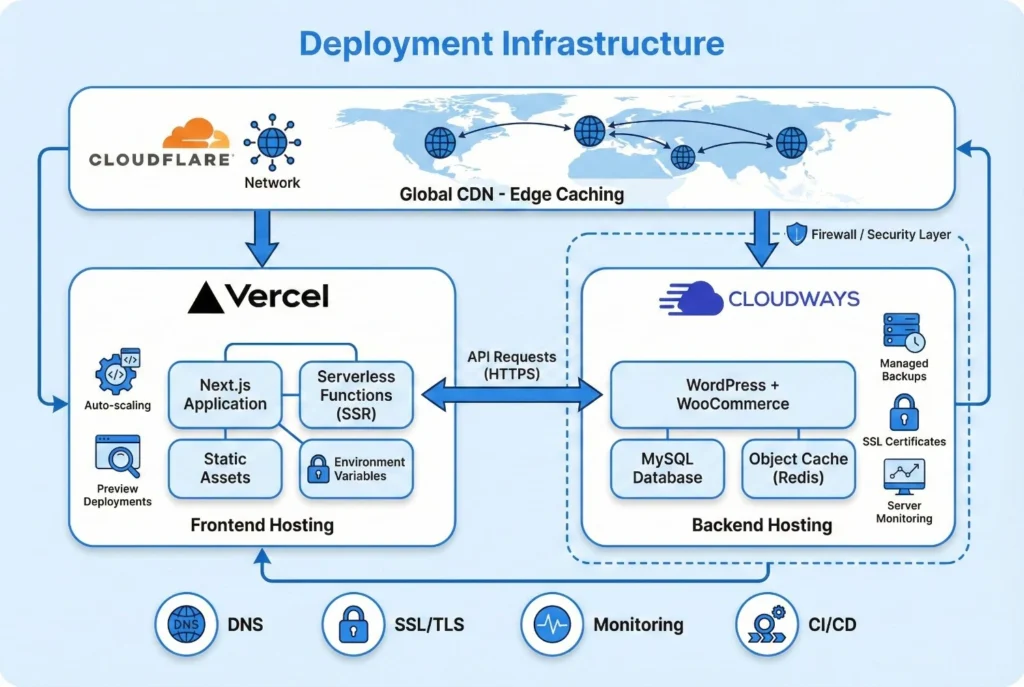
Hybrid CMS: Combining the Old and the New
What does this mean? Basically, you keep using the familiar WordPress dashboard, but your most important pages (like your homepage or product listings) load extremely fast thanks to a modern JavaScript front-end. You get the best of both worlds: easy content management and top performance.
This arrangement also makes it easier to integrate AI services, since many use APIs.
Here’s a quick summary:
- Classic WordPress: Good performance, many themes and plugins, strong SEO, easy maintenance.
- Headless: Extremely fast, highly flexible, but more complex to set up and manage.
- Hybrid: Fast where it matters, flexible, lets you use existing plugins, and retains the WordPress interface your team knows.
What Business Owners Should Do Next
Start using AI plugins now. Choose one that helps with writing and experiment with it on a low-traffic blog post. See how it performs.
Monitor changes. Track how quickly you can publish, whether visitors stay longer, and if sales or signups increase. Adjust settings before applying it to your main pages. Make your content strategy data-driven. Use analytics tools that respect user consent (like Google Consent Mode or Cookiebot) to collect what you need for personalization. Consider your audience.
Develop clear customer personas such as “local shoppers” or “enterprise buyers”and tailor your content to what each group values.
WordPress isn’t standing still, and neither should you. With some curiosity and a willingness to try new tools, you’ll keep your site relevant, fast, and prepared for whatever 2026 brings.